eLoo did not begin with a bus. It began with a question: why should a long journey become harder simply because a traveler needs a safe, clean and private place to stop?
The problem came before the object
On Indian highways, the uncertainty around a toilet break is rarely distributed equally. Women, caregivers, children, elderly travelers and people with disabilities often have to plan around the absence of reliable facilities. A building may exist, but that does not tell a traveler whether it is open, usable, private, lit or being looked after.
That distinction shaped the pilot. The aim was not to place another toilet beside a road. It was to explore what would make a stop understandable before arrival and reassuring once a traveler stepped inside.
Why start with a decommissioned bus?
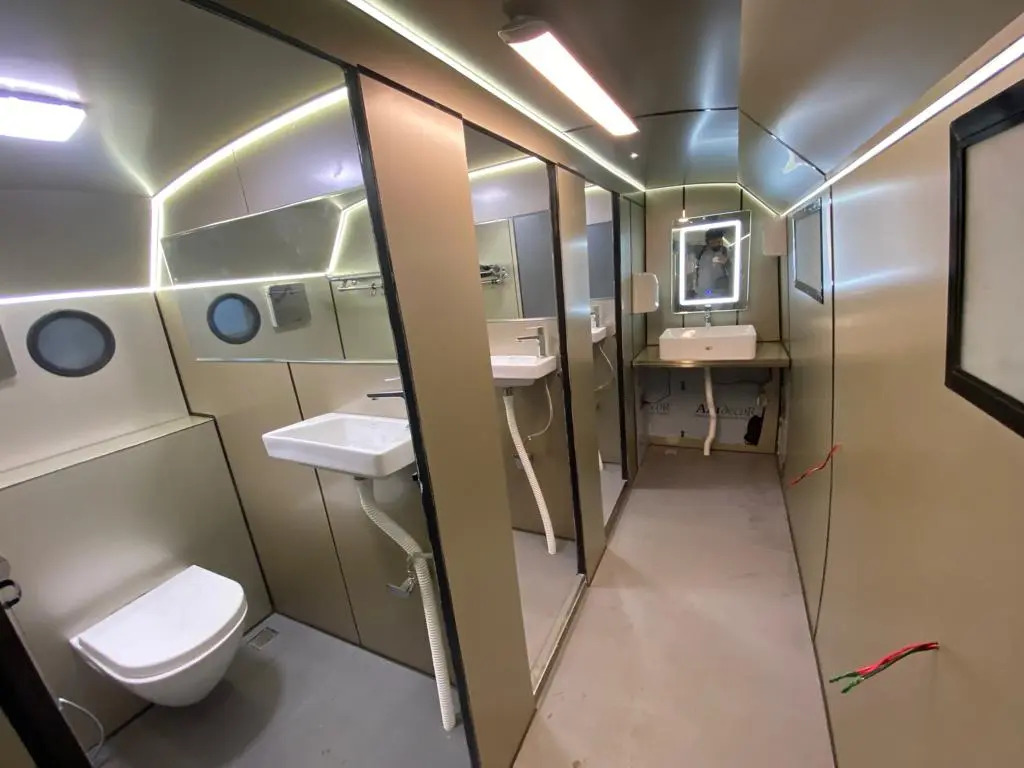
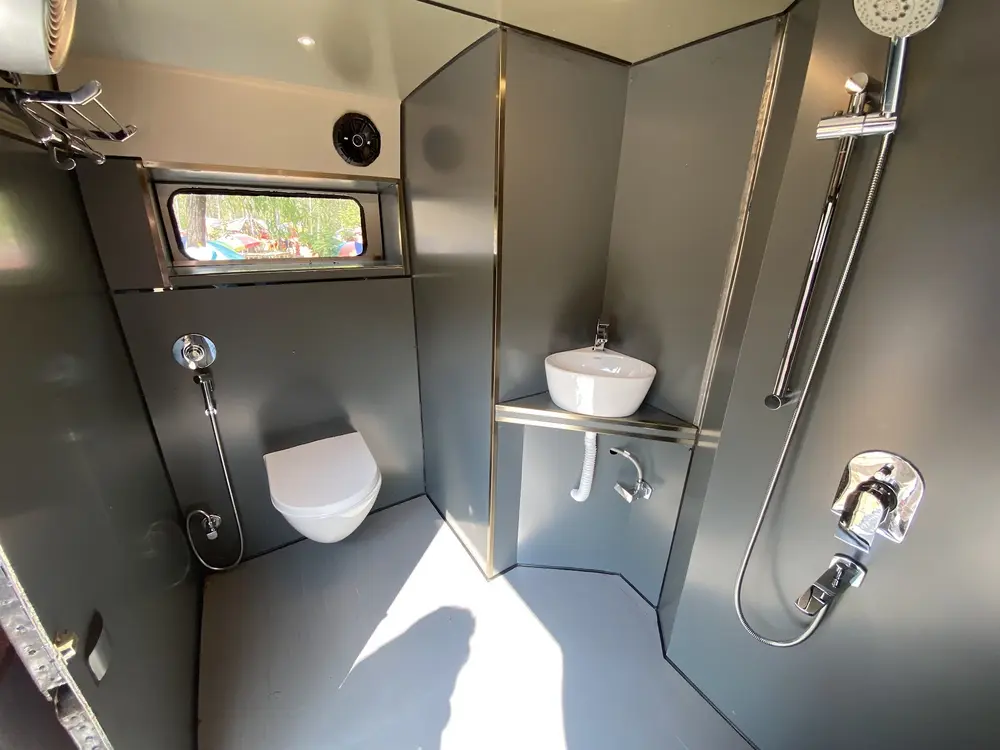
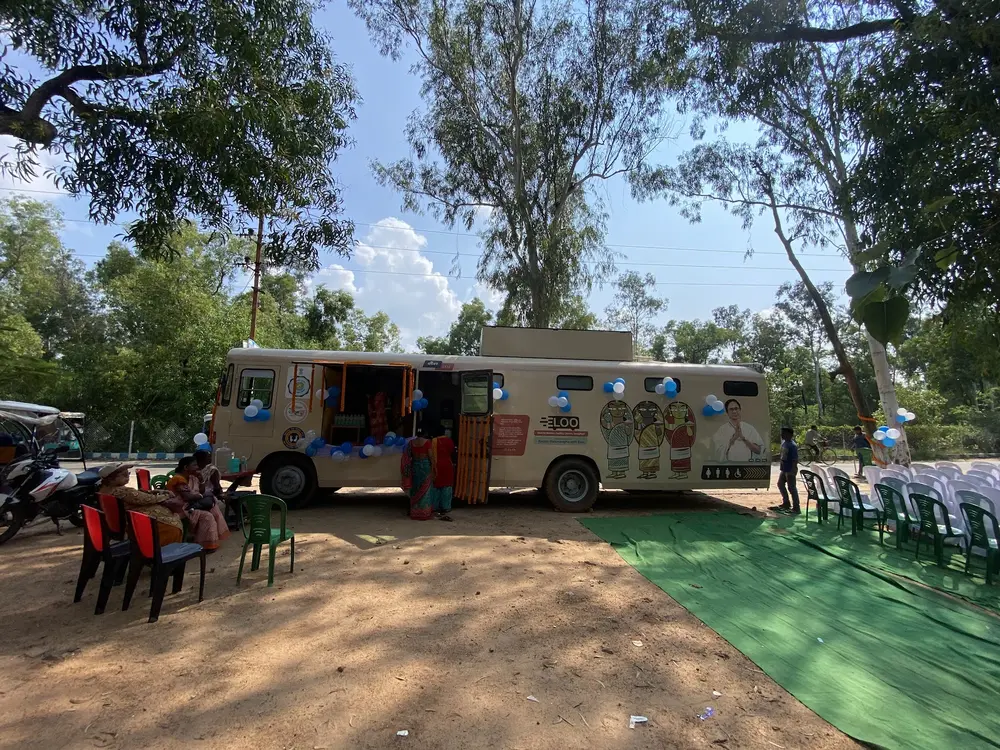
A bus offered a recognizable, highly visible structure that could be adapted without pretending the pilot was a finished national template. It created room to test separate sanitation spaces, handwashing, caregiving needs and an accessible facility while giving the stop a distinctive presence.
Reuse also gave the pilot a story people could immediately understand: something built for movement had been given a second life as a place to pause. But the bus itself is not the eLoo promise. Future locations may use different structures when the site, climate, approvals or operating model demand them.
The bus made the pilot memorable. The operating system is what must make a future eLoo dependable.
What the pilot needed to test
The physical conversion was only one part of the experiment. The facility also needed people who would open it, clean it, notice problems and respond to travelers. Community participation and refreshments were not decorative additions; they helped turn an anonymous utility into a place with visible human accountability.
The pilot therefore brought together sanitation, caregiving space, accessibility and local hospitality. Each element raised practical questions about maintenance, water, waste, staffing, food service and the relationship with the host location.
The lesson we are carrying forward
The strongest lesson is simple: a better stop is a system. A striking structure can attract attention, but trust is earned through accurate information, reliable hours, regular cleaning and someone being responsible when things go wrong.
The next eLoo should not be a copy of the first one. It should preserve the traveler-centred principles, use the pilot evidence honestly and adapt the design to a viable highway site and a dependable local partnership.
eLoo is now looking for highway sites, public programmes and operating partners that can help translate those lessons into the next location.
Start a partner conversation