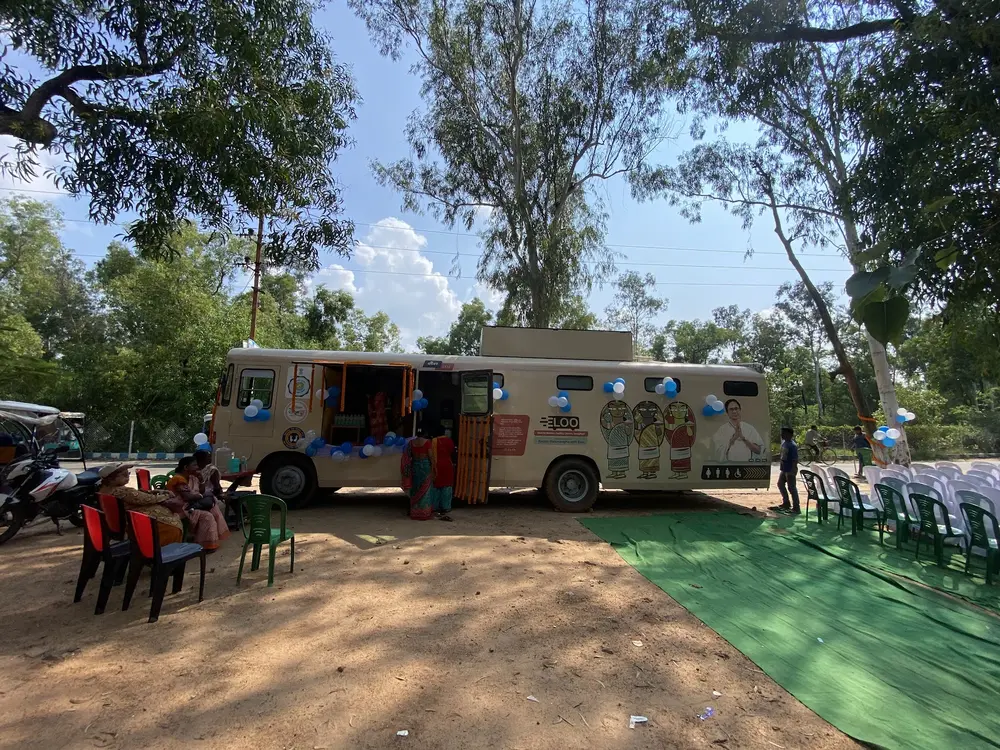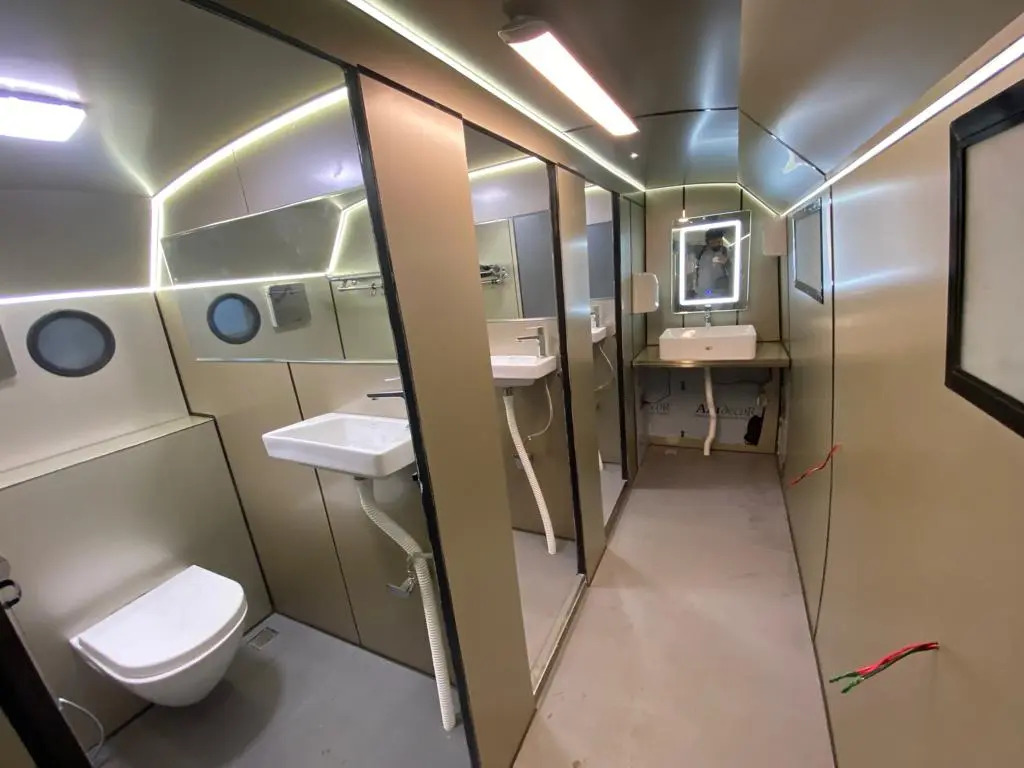
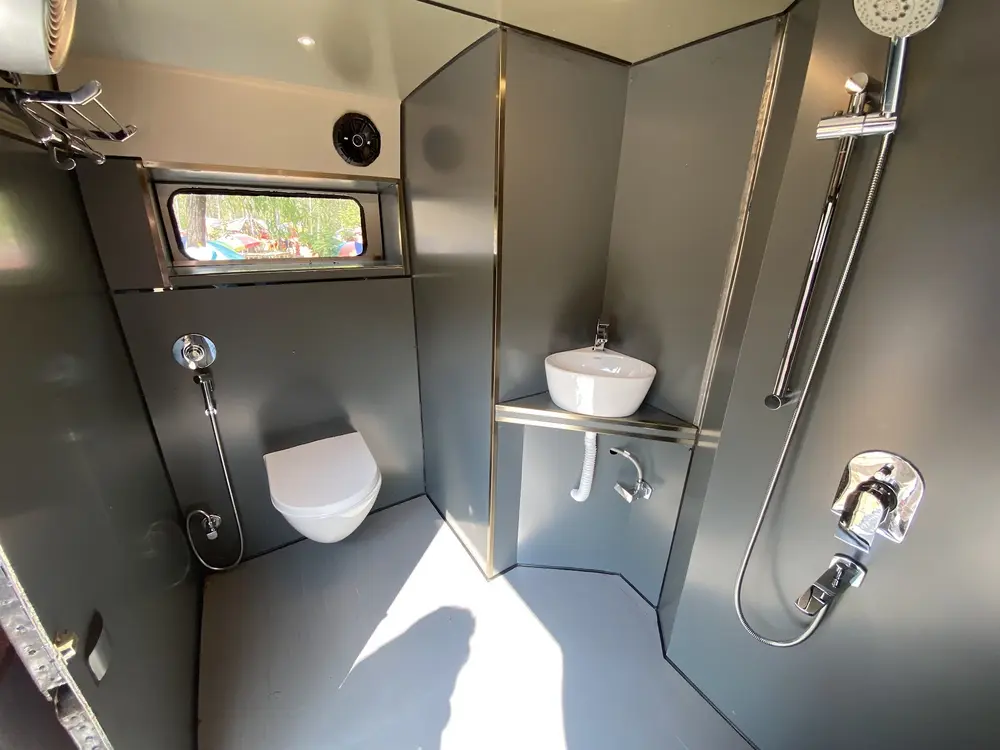
For a woman planning a long road journey, the question is rarely just ‘Is there a toilet?’ The real question is whether the stop can be trusted before she commits to leaving the highway.
Location certainty comes first
A useful listing needs an accurate map pin, the correct side of the highway, a recognizable landmark and clear entry instructions. It should also say whether cars can stop safely and whether the facility is currently operating.
Old listings and copied photographs create false confidence. Every location should display when its information was last checked and provide a simple way for travelers to report a problem.
Real photographs answer practical questions
Travelers need to see the entrance, the route from parking, the sanitation area and the surrounding environment—not only a tightly framed promotional photograph. Images can reveal visibility, lighting, steps, handrails, privacy and whether a caregiver can enter with a child.
Photographs should be recent and clearly identified as belonging to that exact location. Generic stock imagery weakens trust because it hides the conditions a traveler is actually trying to assess.
For a highway stop, honest information is part of the safety experience.
Cleanliness needs visible accountability
Words such as ‘hygienic’ and ‘world-class’ are not evidence. More useful proof includes a visible cleaning routine, running water, soap, a waste system and a named operator responsible for the shift.
A traveler should also know whom to contact if a lock, light, water point or access route is not working. The ability to report a problem is as important as a promise that problems will never occur.
Design must include different journeys
Women travel as individuals, with children, with elderly family members and as caregivers for people with disabilities. A dependable stop considers privacy, menstrual needs, breastfeeding, accessible entry, child supervision and a place to pause without blocking circulation.
Food quality and drinking water matter too. A stop becomes genuinely welcoming when essential needs can be met without forcing a traveler to compromise between sanitation, safety and rest.
eLoo’s location pages will publish operating details only when they can be verified. That discipline may be less dramatic than a sweeping promise, but it is more useful to the traveler planning the journey.
Start a partner conversation