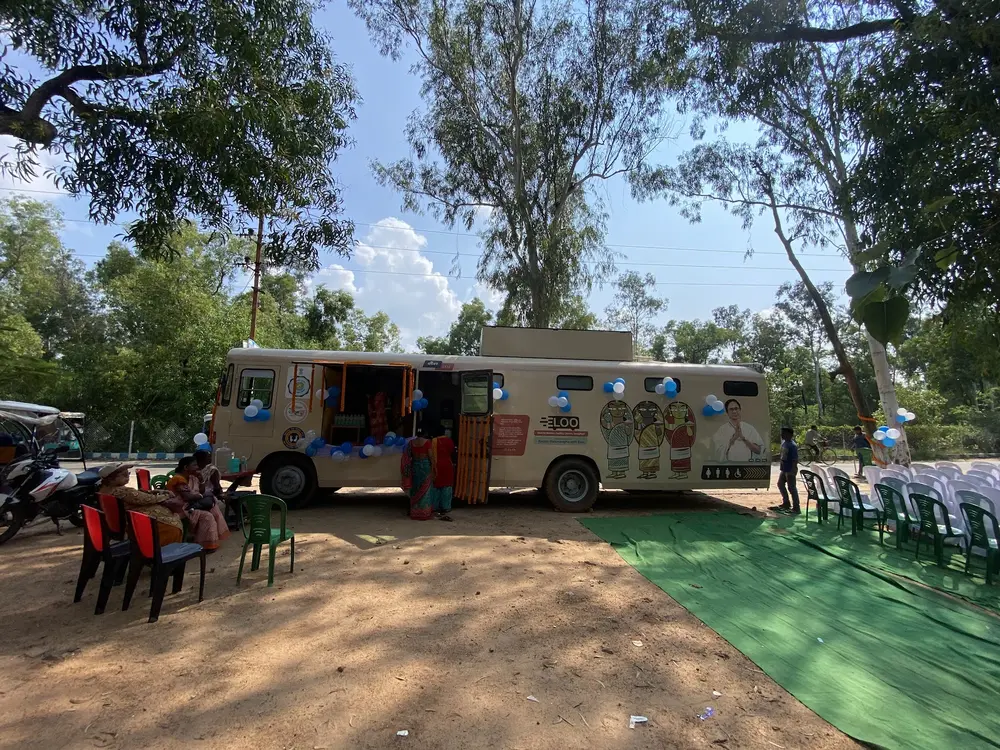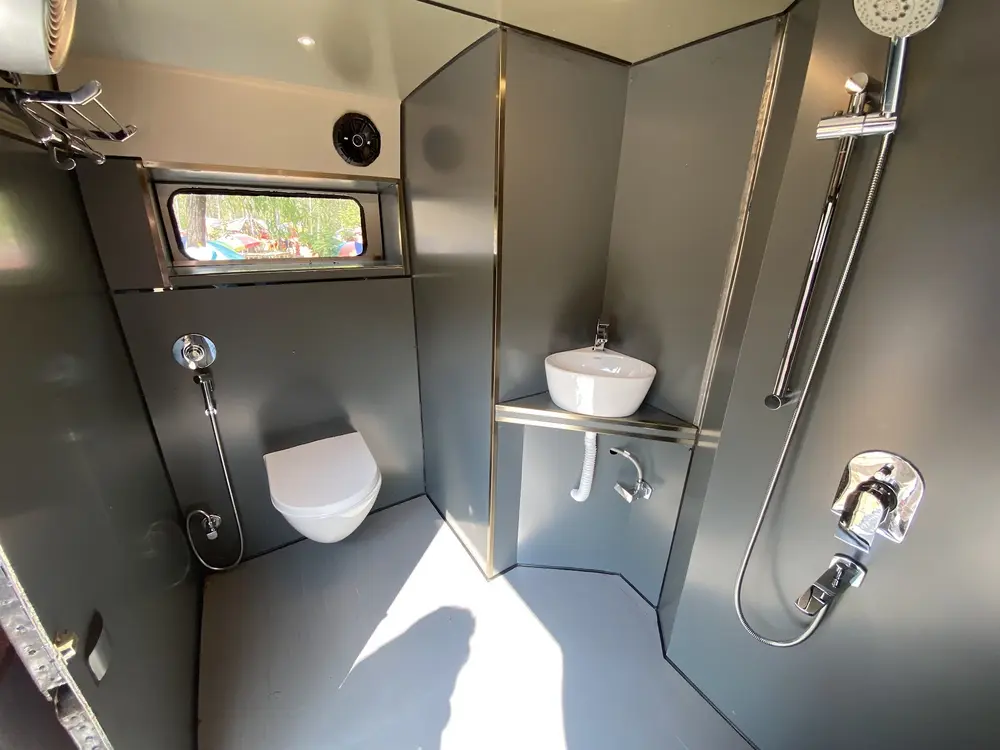
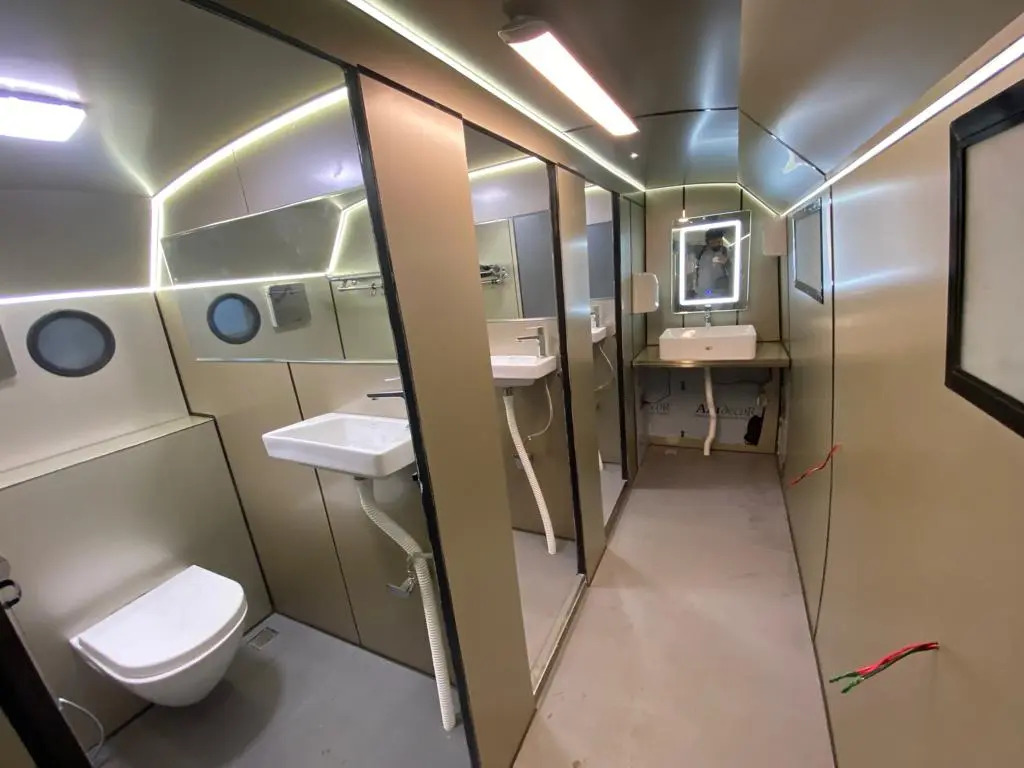
Public sanitation projects are often judged on the day they open. Travelers judge them on an ordinary day months later—when water, lighting, cleaning and staffing either work together or do not.
Construction is the visible milestone
A completed facility is easy to photograph and count. The less visible work begins after inauguration: opening on time, replenishing supplies, maintaining water and power, handling waste, recording faults and making sure a traveler can find accurate information before taking an exit.
When any one of those parts fails, the experience can collapse. A clean cubicle without water is not dependable. A good facility with uncertain hours cannot be planned into a family journey. A prominent sign without safe entry and exit creates a different kind of risk.
The operating model belongs in the design brief
Who cleans the facility? Who supervises the standard? What income supports the staff? Who pays when equipment breaks? These questions should shape a location before construction, not be handed to an operator after the building is finished.
An eLoo site therefore has to be evaluated as a combination of road access, land, utilities, sanitation engineering, local operation and traveler demand. The structure is only one component of that whole.
If nobody owns the ordinary day, the opening-day promise will not survive.
Why hospitality matters to viability
Travelers rarely experience their needs in separate departments. A family stopping for a toilet may also need drinking water, a place to sit, simple food, directions or help with a child. Thoughtful hospitality can make the stop more useful while creating roles and income for local operators.
That does not mean every eLoo needs a large restaurant or identical amenities. The offer should respond to the route and the community. What matters is that food and traveler services strengthen sanitation operations rather than distract from hygiene and safety.
What a serious partner conversation should cover
A credible proposal begins with specifics: traffic and traveler need, safe access, water and power, waste handling, space for stopping, the local operating partner, approvals and a realistic maintenance budget.
CSR support, public programmes, highway hosts and community operators may each unlock a different part of the system. The partnership works when responsibilities remain clear after the launch photographs are taken.
The next eLoo should be funded and designed for dependable operation—not only for construction. That is the standard against which potential sites and partnerships should be assessed.
Start a partner conversation